Published May 16, 2026.
Many people feel awkward, quiet, or nervous in social situations. Maybe you dread small talk, freeze when meeting new people, or need time to warm up in groups. That does not automatically mean something is wrong.
But sometimes the line between being shy and feeling socially anxious can get blurry. You might wonder whether your discomfort is a personality trait or a sign of something more disruptive. Understanding the difference between shyness and social anxiety can help you find the right kind of support.
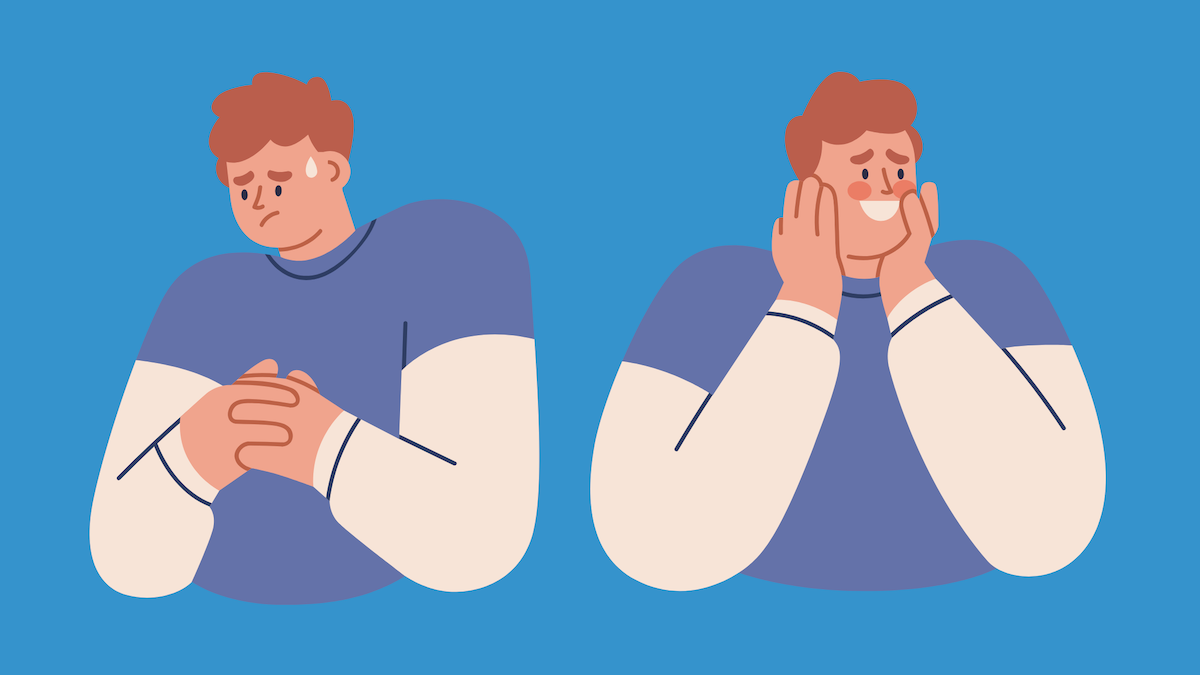
What is shyness vs. social anxiety
Shyness is often a personality trait or a temporary feeling of discomfort in social situations. A shy person may feel nervous at first, especially around new people, but often warms up over time.
Social anxiety disorder is different. It involves intense fear of being judged, embarrassed, rejected, or scrutinized by others. This fear can lead to avoidance, distress, and difficulty participating in everyday life.
It can also help to understand the difference between being an introvert vs social anxiety.
- Introversion means you may feel more energized by quiet time or smaller social settings.
- Social anxiety is driven by fear, not simply a preference for solitude.
Key distinctions between shyness and social anxiety
The main difference is intensity and impact.
Shyness often looks like discomfort, hesitation, or needing extra time to feel comfortable. It may ease as you get familiar with people or settings, and it usually has a limited impact on daily functioning.
Social anxiety tends to involve a stronger fear of judgment, humiliation, or rejection. It may persist even with repeated exposure or around people you know, and it can interfere with school, work, dating, friendships, phone calls, presentations, errands, or asking for help.
When comparing shyness vs. social anxiety, ask: Is this uncomfortable, or is it keeping me from living the way I want to?
Signs and symptoms of shyness and social anxiety
Shyness can include quietness in groups, hesitation when meeting new people, mild nervousness before social events, or a preference for smaller and more familiar settings.
Social anxiety can feel more intense. It may include physical symptoms like a racing heart, sweating, nausea, trembling, blushing, or feeling frozen. Mentally, it can involve overthinking before and after interactions, worrying about saying something “wrong,” or harshly criticizing yourself after social situations.
Behaviorally, social anxiety may lead to avoiding presentations, phone calls, parties, dating, eating in public, speaking up in meetings, or going places where you might be noticed.
Why the difference matters
Knowing what you’re dealing with can help you choose the right next step. Shyness may improve with confidence-building, practice, and supportive social experiences.
Social anxiety may need more structured support, such as therapy, coping tools, exposure practice, or medication support when appropriate. Labeling social anxiety as “just shyness” can delay help and make someone feel like they should simply push through something that feels overwhelming.
You are not failing if social situations feel hard. Your experience may just need a more supportive plan.
When to be concerned about shyness or social anxiety
It may be time to seek support if social fear causes you to avoid important opportunities, feel panic symptoms in social settings, or spend hours replaying conversations afterward.
Other signs include feeling unable to speak, participate, date, make friends, attend school, go to work events, or show up in ways that matter to you. If fear is causing loneliness, academic struggles, work problems, or relationship difficulties, it may be more than shyness.
Coping with shyness
If shyness feels manageable but frustrating, start small. Choose low-pressure social situations, like chatting with a barista, texting a friend, or saying hello to someone familiar.
It can also help to prepare a few simple conversation starters, such as “How has your week been?” or “What have you been into lately?” Practice small interactions regularly, and try shifting your focus from performing perfectly to being curious about the other person.
Celebrate small wins. Staying a little longer, speaking once in a group, or starting one conversation all count.
Treatment for social anxiety
Social anxiety is treatable. Cognitive Behavioral Therapy (CBT) can help you identify anxious thoughts, reduce avoidance, and build more balanced beliefs about social situations.
Exposure therapy can also help you gradually face feared situations, like making a phone call, asking a question, or speaking up in a small group. For some people, medication such as SSRIs may also be helpful when discussed with a qualified prescriber.
If social fear is limiting your daily life, Zencare can help you find therapists who specialize in social anxiety, CBT, exposure therapy, and self-esteem, then book a free consultation to find the right fit.
Final thoughts
Shyness and social anxiety can look similar from the outside, but they are not the same. Shyness is often a social style or mild discomfort. Social anxiety is fear that can interfere with the life you want to live.
Understanding the difference is the first step toward the right support. With practice, therapy, and compassion for yourself, greater social confidence is possible.