Clinically reviewed and contributed to by David Rothman, LCSW. Published April 20, 2026.
Can you outgrow a phobia? Sometimes, especially when a fear begins in childhood. But a true phobia is different from an ordinary fear. It tends to be more intense, more persistent, and more likely to interfere with daily life. Some fears ease over time, but phobias that continue into adulthood are often less likely to fade without treatment. The encouraging news is that phobias are highly treatable, and many people can overcome a phobia with effective, evidence-based support.
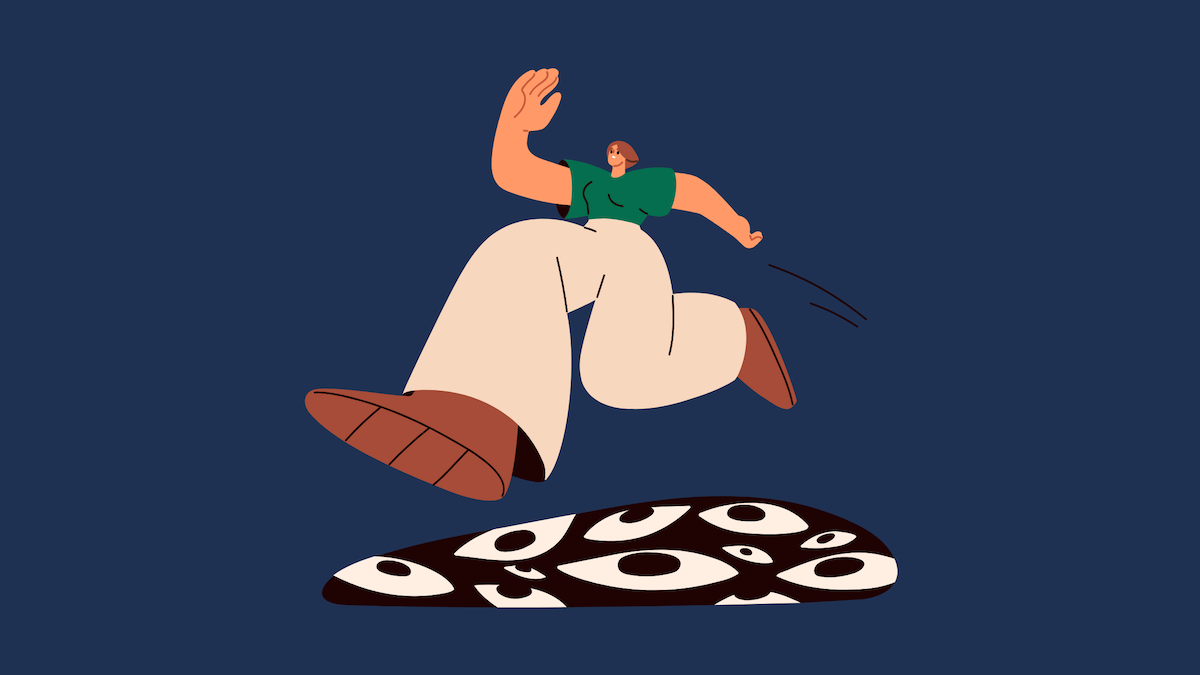
Can you outgrow a phobia?
Many fears that show up in childhood do fade with age. As children gain experience, build confidence, and feel safer in the world, fears like the dark, storms, or animals may start to loosen their grip.
But phobias do not always follow that path. A phobia is usually more intense and more disruptive than a passing fear. Childhood phobias may fade, but when they continue into adulthood, they can last for years or even decades. Research also suggests that specific phobias have low rates of spontaneous remission, meaning they often do not fully go away just by waiting.
“We usually classify something as a phobia when the fear persists for a prolonged period of time (per the DSM-5, 6 months+), is considered irrational/unreasonable, and leads to persistent avoidance behaviors. For instance, a person with a flying phobia may avoid getting on airplanes, regardless of the circumstances. This means that someone with a significant flying phobia cannot travel overseas, or go to a wedding or funeral that requires a plane flight, for example,” David Rothman, LCSW explains.
So if you are asking, “can you outgrow a phobia?” The most honest answer is: sometimes, but it is often not the most reliable route.
Takeaway: Some fears soften naturally over time, but true phobias often persist without treatment.

Fear vs. phobia
Experiencing fear is part of being human. It helps protect us from danger. You might feel uneasy before flying, nervous around needles, or uncomfortable at heights and still be able to move through the experience.
A phobia goes further. It involves fear that is out of proportion to the actual danger and often leads to intense anxiety, avoidance, and disruption in everyday life. In more severe cases, people may shape major parts of their lives around avoiding what they fear. That might look like skipping medical appointments, avoiding travel, or turning down opportunities because the fear feels too overwhelming.
David Rothman, LCSW shares, “There's a good rule of thumb I usually share with clients: a fear or phobia becomes "clinically significant" once it starts impacting a person's life in significant ways. E.g., a single person with social anxiety avoids trying to date out of fear of embarrassment, a person with major depressive disorder withdraws from most of their friends and family for extended periods.”
That is why the more useful question is not only can you get over a phobia, but also whether the fear is beginning to limit your choices, relationships, health, or sense of freedom.
If the fear feels life-impairing, it's best to seek professional help.
Takeaway: A phobia is not just a strong fear. It is a fear that starts to restrict your life.
What research says about phobia recovery
Research suggests that recovery is absolutely possible, but waiting for a phobia to fade on its own is not the most dependable strategy. Specific phobias often follow a chronic course, especially when avoidance becomes part of daily life.
Avoidance can bring relief in the short term, but it tends to reinforce fear over time. When you keep steering away from the feared situation, the brain never gets the chance to learn that the fear can be tolerated and that the threat may not be as overwhelming as it feels. That is one reason treatment focuses so much on reducing avoidance rather than simply understanding where the fear came from.
David Rothman, LCSW emphasizes, “Because every time you use an avoidance behavior, you're behaviorally reinforcing in your brain ‘Yes, this is something bad/scary/too overwhelming and should continue to be avoided’. One of our brain's primary functions is to keep us safe and keep us alive; so avoidance behaviors log that avoidance is an effective strategy for keeping me safe. This causes the fear to grow stronger and more intense over time.”
The hopeful part is that treatment is generally more effective than waiting alone. Research reviews have found strong support for psychotherapy, especially Cognitive Behavioral Therapy (CBT) and exposure-based approaches, in helping people reduce fear and regain functioning.
Takeaway: Some phobias may improve with time, but treatment is a more effective and predictable path to recovery.
Proven ways to overcome a phobia
Psychotherapy is the primary treatment for phobias, and two of the most evidence-based approaches are exposure therapy and Cognitive Behavioral Therapy (CBT).
Exposure therapy is widely considered the best treatment for specific phobias, helping over 90% of people with a specific phobia who commit to and complete treatment. It works by helping a person gradually and safely face the object or situation they fear instead of continuing to avoid it. Over time, this can help the brain build a more realistic response to the feared situation. Exposure therapy is often done step by step, so the process feels manageable rather than overwhelming.
“In my view, exposure therapy is effective because it literally rewires the brain by teaching clients that ‘I don't need to be afraid of this thing that I've been avoiding’. It's concrete and meaningful, because it involves the client taking action to expose themselves to whatever it is that they fear. Exposure therapy has very tangible results which clients can experience and feel very easily. I've seen so many clients gain confidence as they face their fears for the purpose of getting their life back as opposed to letting the fear continue to shrink it and make it smaller. I'm proud to say I do exposure therapy with clients daily; I find it incredibly gratifying to witness as a therapist,” explains David Rothman, LCSW .
CBT can help people overcome a phobia by addressing the thoughts and behaviors that keep fear in place. It can help someone notice catastrophic thinking, respond differently to anxiety, and build a greater sense of confidence and control.

The goal of treatment is not to erase every anxious feeling. It is to help you live more freely, with fear no longer making the decisions for you.
Takeaway: Exposure therapy and CBT can help you reduce avoidance, face fear safely, and regain a greater sense of freedom.
From avoidance to freedom
Healing from a phobia is not about becoming fearless, it’s about doing what’s meaningful to you despite the fear . It is about getting your life back.
”Courage is not the absence of fear, but the triumph over it,” says Nelson Mandela.
Progress might mean booking the flight, going to the doctor, driving across town, or saying yes to something you used to avoid.
“Most often I define progress in phobia treatment as the client taking more actions to approach their fears and live their life regardless of the fear. For example, the person with a highway driving phobia drives on the highway to go to a friend's birthday party, regardless of the fear. The person with a fear of heights no longer avoids going into tall buildings and is able to live or work comfortably on the higher floors. The person with social anxiety is taking action to make new friends and/or date,” says David Rothman, LCSW .
Success is not perfection. Success is having more room to choose what matters to you. If fear is affecting your work, health, travel, or relationships, you do not have to wait and hope you outgrow it. Support can help.
Takeaway: Freedom, not perfection, is the goal. A phobia does not have to define your life.
FAQs
Can you outgrow a phobia?
Some fears fade with time, especially in childhood, but phobias often need treatment to improve fully.
Can you overcome phobias?
Yes. Many people improve significantly with treatments like exposure therapy and Cognitive Behavioral Therapy (CBT).