Clinically reviewed and contributed to by Manisha Chulani, LMFT, NCSP. Published on October 10, 2025.
Can therapy really help with chronic pain?
Yes, therapy can help reduce the emotional distress, fear, and disability that often accompany chronic pain. While it may not eliminate pain entirely, it can significantly improve how you cope, function, and engage with your life.
Chronic pain isn't just a body issue. It's shaped by your brain, emotions, thoughts, and habits. That’s why therapy can make such a meaningful difference.
Here’s what therapy for chronic pain can do:
- Help rewire how your brain processes pain signals
- Shift negative thought patterns that intensify discomfort
- Reduce stress and emotional reactivity
- Introduce calming techniques like mindfulness and breathing
- Support safe movement and pacing of daily activities
- Fit into a broader care plan, alongside physical therapy, sleep, and medication
Let’s walk through how therapy works, why it’s effective, and the tools it offers for living with less suffering.
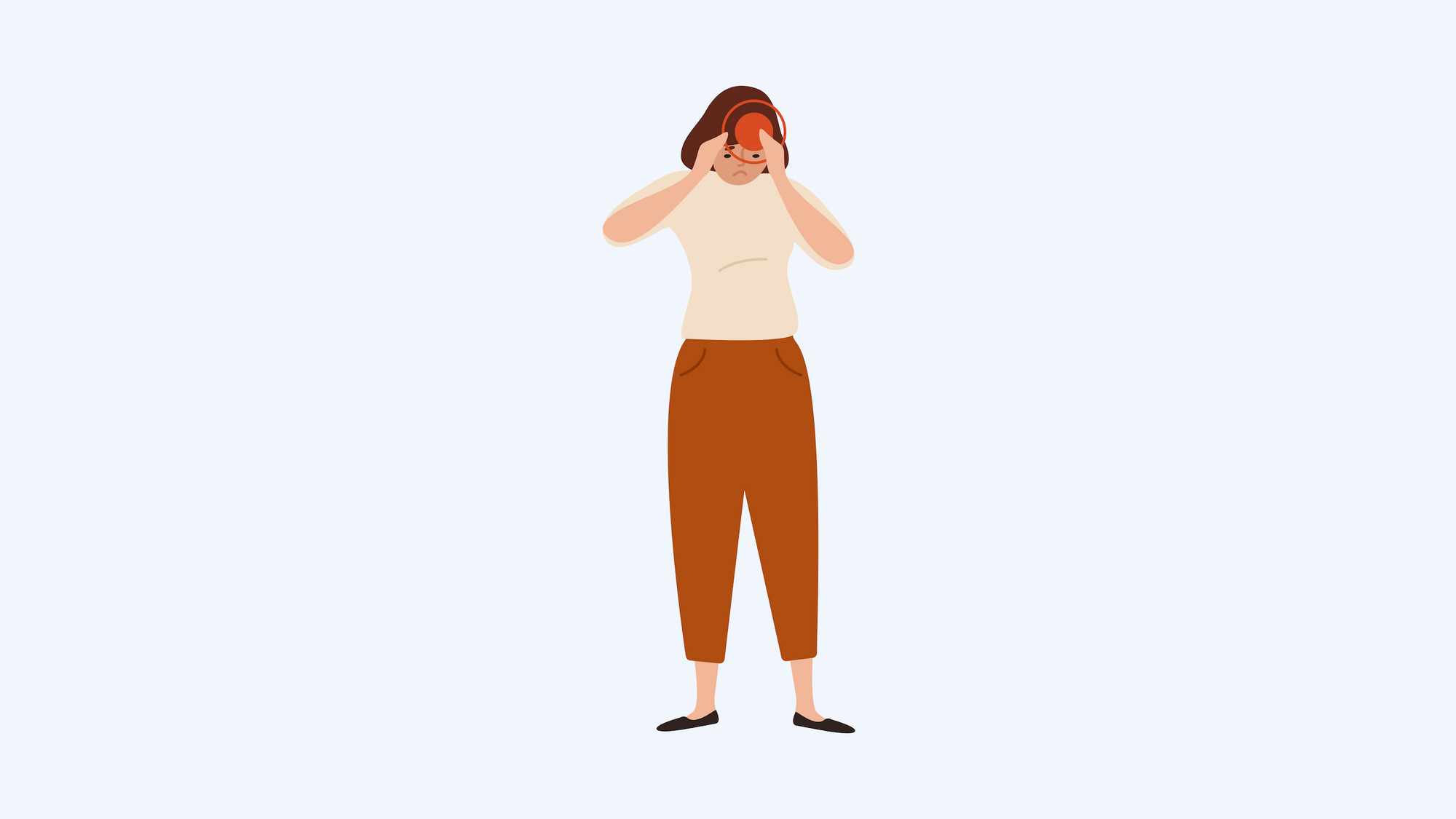
What’s the connection between the mind and chronic pain?
The mind-body connection means that pain is influenced not just by your physical condition but also by your emotions, thoughts, and nervous system. In other words, how you feel and think can change how much pain you experience.
Therapy for chronic pain helps people shift how they relate to their pain. By changing how you think and feel about it, you can actually change how it shows up in your body.
Here’s what we know:
- Pain can linger long after an injury heals
- Anxiety, depression, and stress can turn up the intensity
- Cognitive and behavioral tools can turn it back down
Quick takeaway: Therapy gives you mental and emotional tools to calm the pain, even when it's caused by a physical condition.
How does the brain influence pain?
The brain doesn’t just receive pain signals, it interprets and amplifies or reduces them based on your emotional state, beliefs, and attention. This explains why two people with the same injury can experience very different levels of pain.
Your brain factors in:
- Past experiences
- Emotional state
- Attention and focus
- Beliefs about what pain means
For people with chronic pain, the nervous system can become hypersensitive. This is called central sensitization, where your body starts reacting to smaller and smaller triggers. The amygdala, your brain’s fear center, can also amplify pain when it’s linked to fear or trauma.
Two people with the same injury can experience very different levels of pain depending on how their brains process it.
Quick takeaway: Pain is physical, but the brain plays a major role in how much you feel and how distressing it becomes.
How does therapy shift your relationship with pain?
Therapy helps you move from avoiding pain to managing it actively. Instead of feeling powerless or overwhelmed, you learn tools that give you a sense of agency and control.
Many people cope passively by resting, relying only on medication, or avoiding activity altogether. While understandable, these approaches can sometimes increase pain over time. Therapy supports active self-management, which means learning tools to live better with the pain.
In psychotherapy for pain management, you’ll:
- Learn to regulate your emotional responses
- Break the cycle of fear and avoidance
- Set goals that matter to you
- Build a stronger sense of control and hope
Manisha Chulani, LMFT, NCSP shares her experience with clients who experience chronic pain, “Therapy has helped my clients with acceptance using the ACT model. Additionally we’ve used some other techniques to help them focus on parts of their bodies that do not feel pain, and to recognize pain as sensations, and for some to recognize that pain is a symptom of stress.”
Quick takeaway: Therapy doesn’t aim to cure pain, but it can reduce its impact, and that makes daily life a lot more livable.
How do CBT and ACT help with chronic pain?
CBT (Cognitive Behavioral Therapy) and ACT (Acceptance and Commitment Therapy) are two highly effective forms of therapy for chronic pain. They target unhelpful thoughts and behaviors that make pain worse and teach you new ways to cope.
1. Catastrophizing
This is when you think the worst, “This pain will never end” or “My body is falling apart.” These thoughts fuel stress and pain intensity. CBT helps you identify and reframe these patterns through cognitive restructuring.
2. Avoidance behaviors
When pain is scary, it’s tempting to avoid movement or activity altogether. But this can lead to more disability and frustration. Therapy helps you slowly and safely return to what you’ve been avoiding.
3. Activity pacing and goal-setting
CBT teaches you to break tasks into smaller, manageable parts. With activity pacing, you avoid overdoing it on good days and crashing on bad ones.
4. Psychological flexibility (ACT)
ACT focuses less on controlling pain and more on accepting it, while still doing what matters to you. This can be incredibly freeing.
5. Movement-Based Approaches
Mindfulness or Drumming can be helpful as long as you can tolerate it, and these movement-based approaches typically teach the practice of present moment awareness through non-judgmental observation of the mind and body.
6. Alternative Modalities
Energy work like Reiki promotes stress reduction and relaxation. The therapist places their hand lightly on or above the client’s body to transmit universal life energy and promote the client’s own healing process.
Quick takeaway: CBT and ACT help reduce emotional suffering, build resilience, and support better daily functioning.
Which mindfulness and relaxation tools help with pain?
Mindfulness and relaxation techniques help reduce your body’s stress response, which often makes pain worse. These tools teach you how to stay calm, present, and less reactive to discomfort.
Here are a few that really work:
- Body scan meditation: Increases awareness and acceptance of physical sensations without judgment
- Diaphragmatic breathing: Deep belly breathing that soothes the nervous system
- Progressive muscle relaxation: Helps release built-up tension in the body
These practices stimulate the parasympathetic nervous system, which helps quiet the body’s pain alarm bells.
Quick takeaway: You can’t always stop the pain, but you can train your body to react to it with less fear and tension.
How does therapy encourage safe movement?
Therapy uses structured strategies like activity pacing and graded exposure to help you increase movement without worsening your pain. Instead of pushing through or avoiding activity entirely, therapy supports a balanced, safe return to movement.
Activity pacing
Helps you find the sweet spot between too much and too little activity. You increase function gradually while avoiding flare-ups.
Graded exposure
Encourages you to face feared or avoided activities step by step, helping reduce pain-related fear and build confidence.
Therapists also use behavior activation to help you reconnect with meaningful daily activities, like walking, cooking, or socializing.
Quick takeaway: Therapy helps you build strength and confidence through safe, structured re-engagement with movement and daily life.
When is therapy part of a bigger pain care plan?
Therapy should be part of a comprehensive plan for chronic pain when your pain is affecting your mood, sleep, relationships, or ability to function. Pain is complex, and one treatment alone is rarely enough.
Psychotherapy for pain management works best alongside:
- Physical therapy: For movement, strength, and flexibility
- Medication management: When used thoughtfully, it can support function
- Sleep interventions: Poor sleep and pain go hand in hand
- Nutrition and stress management: Other key pieces of the puzzle
Therapy helps you make sense of these other tools, track progress, and stay motivated.
Quick takeaway: Therapy is one part of a well-rounded pain care plan that supports both body and mind.
How do you track your progress in therapy for pain?
You can track progress in chronic pain therapy using tools that measure function, enjoyment, and emotional health. Tracking these outcomes helps you see growth even if pain levels stay the same.
“Progress tracking can help clients realize that they don’t feel pain all the time or it’s localized to specific areas or situations or certain foods or situations trigger it,” says Manisha Chulani, LMFT, NCSP.
Helpful tools include:
- PEG scale: Measures pain, enjoyment of life, and general activity
- PHQ-9 or GAD-7: Screens for depression and anxiety, which often affect pain
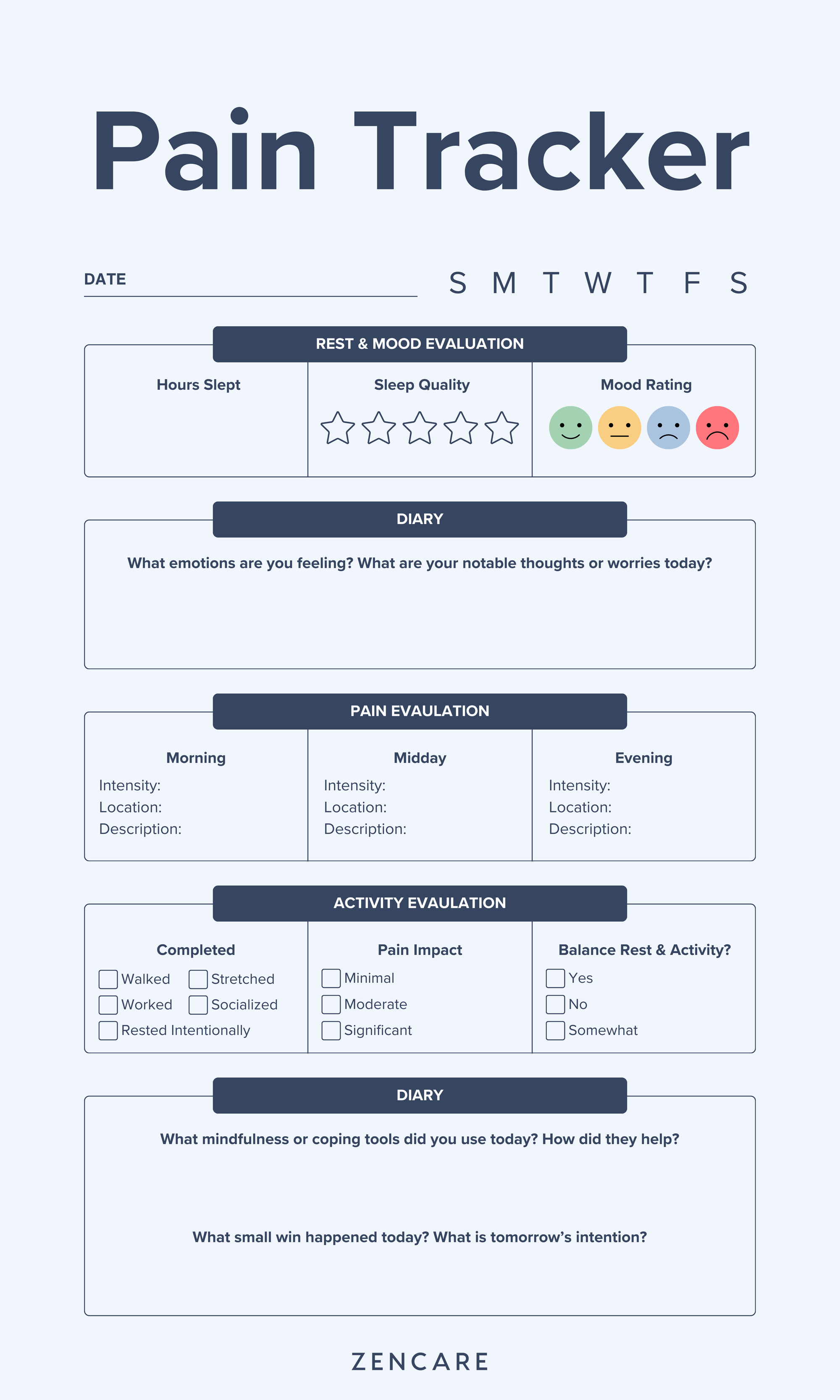
- Pain diaries: Help spot patterns, triggers, and what works
Tracking shifts the focus from pain intensity to life improvement, and that can be very motivating.
Quick takeaway: Measurable tools help you see growth in areas that really matter, not just pain levels.
How should therapists talk about pain with clients?
Therapists should validate the pain experience while gently helping clients understand the biopsychosocial model, the idea that pain is influenced by physical, emotional, and social factors.
What works:
- Reflective listening: “It makes sense that this is exhausting.”
- Validation: “Your pain is real, and I believe you.”
- Education: “Pain is processed in the brain, but that doesn’t mean it’s imaginary.”
- Empowerment: “You have tools to change how pain impacts your life.”
The biopsychosocial model explains pain as a complex mix of biological, psychological, and social factors. It doesn’t blame the person, it gives them a more complete understanding.
Quick takeaway: The right words can build trust, shift perspective, and open the door to healing.
Can therapy really improve life with chronic pain?
Yes, therapy can help you feel better, function better, and suffer less, even if the pain itself doesn’t fully go away. With the right skills and support, people living with chronic pain can return to meaningful activities and rebuild their sense of self.
Therapy teaches you:
- Reduce emotional distress linked to pain
- Reframe unhelpful thoughts
- Increase movement and activity
- Reconnect with what brings joy and purpose
- Manage pain flare-ups more skillfully
The path to feeling better often starts in unexpected places, like a therapy session, a breath, or a shift in mindset.
Frequently Asked Questions About Therapy and Chronic Pain, Answered by Manisha Chulani, LMFT, NCSP
What kind of therapy is best for chronic pain?
CBT for pain and Acceptance & Commitment Therapy (ACT) are two of the most effective. They help you manage thoughts, emotions, and behaviors that influence how you experience pain. Additionally mindfulness and energy work is also helpful in understanding your pain.
Can therapy help if my pain has a medical cause?
Yes, despite there being a medical reason for your pain, there is a mind-body connection and the pain affects our feelings and moods and vice versa. Learning to cope with that can help with the pain and help you manage your symptoms.
Will therapy reduce my need for medication?
Therapy may reduce the need for medication. But managing chronic pain is a collaborative and team based effort with your medical team and therapist.
How soon can I expect results?
Every situation and client is different, but some clients find ways to cope and accept sooner just through the act of seeing a therapist.
Where can I find a therapist who works with chronic pain?
Look for someone trained in CBT for pain, ACT, or pain-informed psychotherapy. Ask your doctor for a referral or search platforms like Zencare, where you can filter by specialty.