Clinically reviewed and contributed to by Sage Rubinstein, LMHC, LPC. Published June 10, 2026.
Why self-acceptance is the starting point for real confidence
Many people believe they need to become a better, calmer, more successful, or more “fixed” version of themselves before they can feel worthy. Maybe you tell yourself you’ll accept yourself once you feel more confident, stop overthinking, reach a goal, or finally get your life together.
But self-acceptance is not about pretending everything is perfect. It is about learning to see yourself clearly and kindly, without making your flaws, emotions, needs, or past mistakes the reason you reject yourself.
"Understanding the function of our inner critic can help us to understand whether it is continuing to serve us in the same ways that it used to or whether we need to employ different strategies," says Sage Rubinstein, LMHC, LPC.
If you are wondering how to accept yourself, the answer usually starts with this: you do not have to become someone else to be worthy of care. Self-acceptance can be the foundation for authentic confidence, healthier relationships, and meaningful personal growth.
What self-acceptance really means
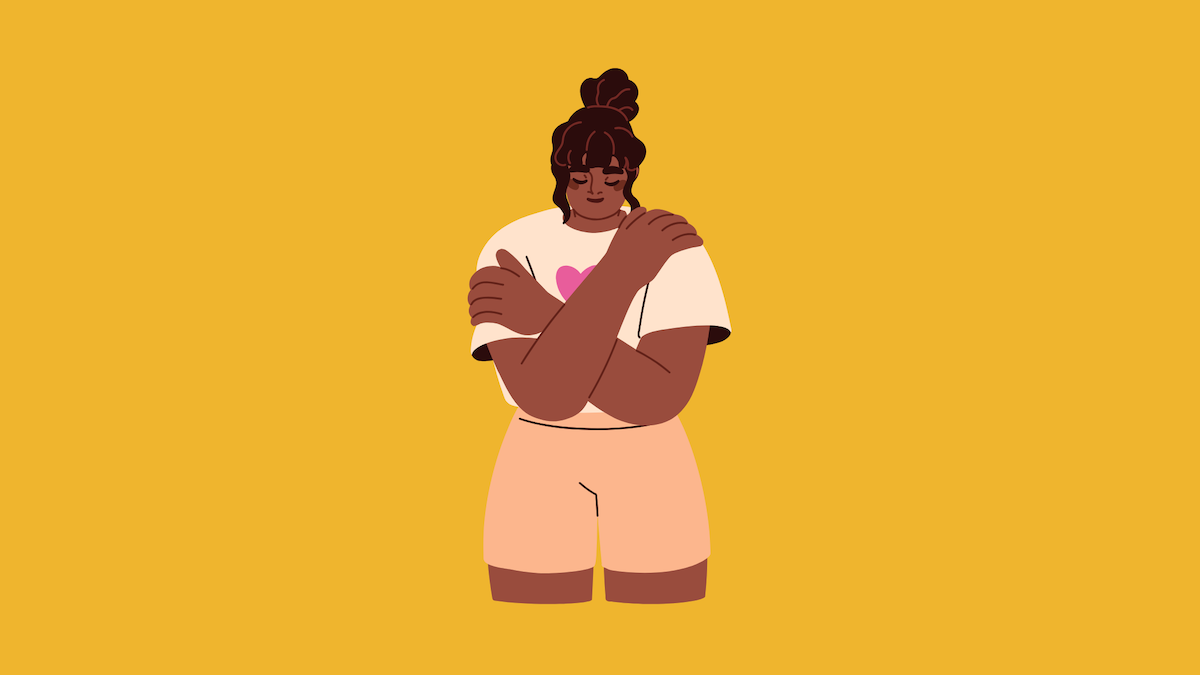
Self-acceptance means recognizing your full self, your strengths, flaws, emotions, needs, limitations, values, and past experiences, without constant shame or rejection. It does not mean loving every part of your life all the time. It means being honest about who you are while still treating yourself with respect.
What does self-acceptance mean? Self-acceptance means allowing yourself to be human, imperfect, and worthy at the same time.
Research on psychological well-being has long identified self-acceptance as an important part of mental health and personal growth. In everyday life, that might mean saying, “I have things I want to work on, and I still deserve kindness right now.”

Why accepting yourself can feel difficult
Self-acceptance can feel hard for many reasons. Comparison, perfectionism, past criticism, people-pleasing, family expectations, social media, and pressure to meet certain standards can all shape how you see yourself.
You may have learned that your worth depends on being productive, attractive, agreeable, successful, or emotionally “easy.” You may believe you have to fix every flaw before you are allowed to feel confident or lovable.
Sage Rubinstein, LMHC, LPC explains, "Self-acceptance is harder to achieve when it is tied to external validation. This can come from having critical parents where the child feels they need to "earn" love through achievements, bullying or social rejection, unresolved trauma that leads to guilt and internalized shame, or discrimination based on race, gender, sexual orientation, neurodiversity or disability."
These beliefs can create the feeling that worth has to be earned. But difficulty with self-acceptance is often learned, which means it can also be gently unlearned. You can practice relating to yourself in a way that is more honest, compassionate, and sustainable.
Self-acceptance vs. self-improvement
Self-acceptance and self-improvement are not opposites. Accepting yourself does not mean giving up on growth. It means you do not have to hate yourself into becoming better.
Self-improvement becomes healthier when it comes from care, curiosity, and alignment with your values rather than shame or fear. That is the heart of personal growth self-acceptance: understanding yourself enough to grow in ways that actually support your well-being.
Instead of “I need to change because I’m not good enough,” self-acceptance sounds more like, “I want to grow because I care about myself and my life.”
Sage Rubinstein, LMHC, LPC elaborates on this, "Care and curiosity send signals to the brain that we are safe, activating our ventral vagal nervous system, which in turn allows our mind and body to enter into a state of relaxation. When our body feels safe, it can open up our willingness to be more vulnerable in therapy and to engage in differently with our greater support system, reducing feelings of loneliness, shame, and isolation."
How to accept yourself in everyday life
Learning how to accept yourself is not one big decision. It is a daily practice of noticing how you treat yourself and choosing a more supportive response.
Notice negative self-talk
Start by paying attention to your inner dialogue. Are you calling yourself lazy, dramatic, awkward, behind, or too much? Ask, “Would I speak this way to someone I love?” If not, try a more balanced response.
"Moving from a place of negative self-talk to making neutral or positive statements can help increase self-compassion and move towards a growth mindset where we can separate mistakes from moral failings," shares Sage Rubinstein, LMHC, LPC.
Name your emotions without judgment
Emotions are information, not character flaws. Feeling sad, jealous, anxious, angry, or disappointed does not make you a bad person. Try saying, “I’m feeling anxious right now,” instead of “I’m ridiculous for feeling this way.”
Challenge unrealistic standards
Question expectations that demand perfection, constant productivity, or approval from everyone. Ask, “Is this standard realistic, kind, and actually mine?” Some standards are inherited, not chosen.
Cement new belief systems
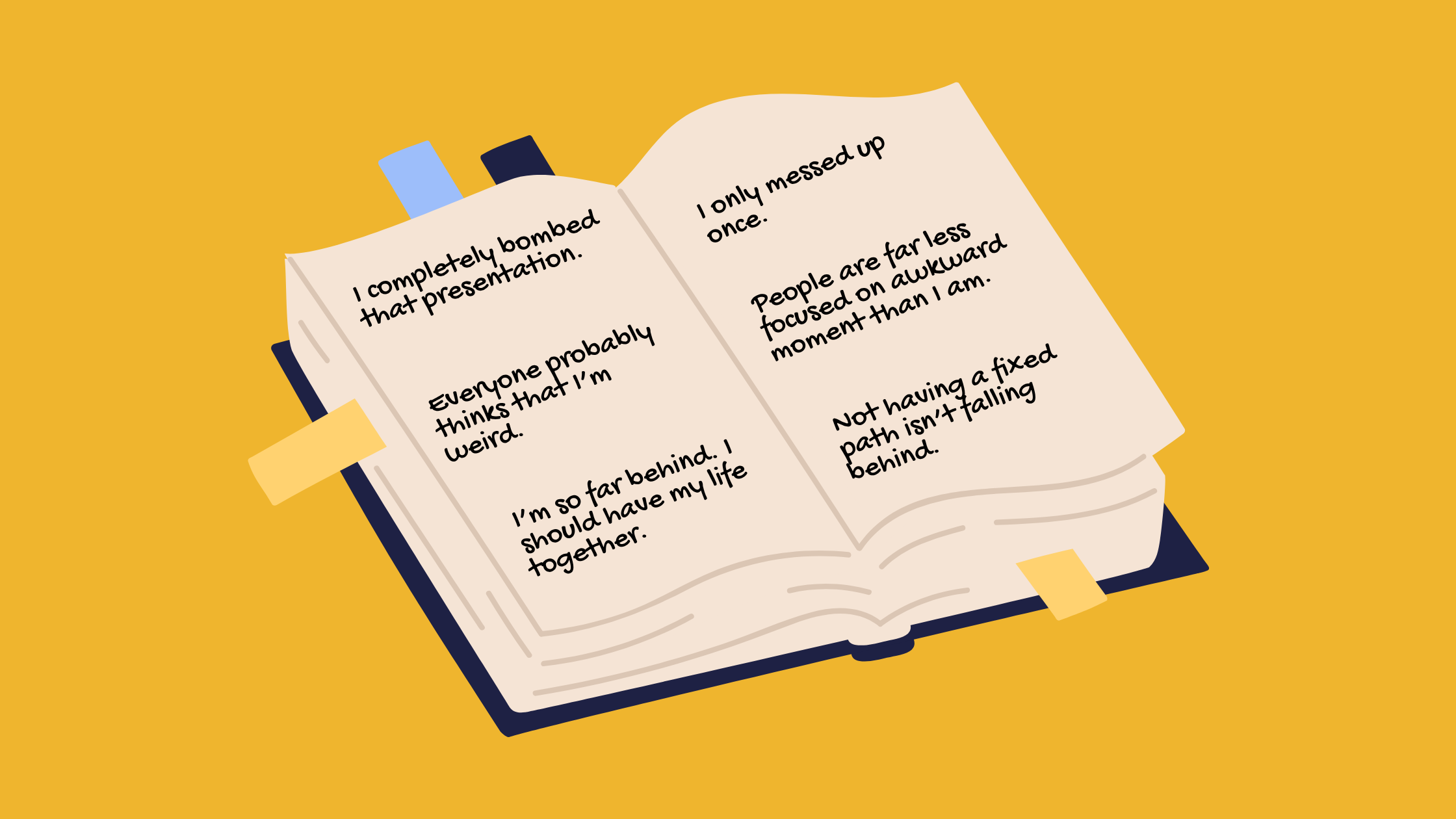
Sage Rubinstein, LMHC, LPC recommends a tool called “split-page" journaling. On one page, write down all the negative thoughts about self, and on the next page, challenge or reframe these beliefs. Seeing the side-by-side comparison can often open our eyes to just how critical we can be.
Honor your needs
Accepting yourself includes taking your needs seriously. That might mean resting, asking for help, setting limits, or admitting when something does not feel right. Needs are not inconveniences. They are part of being human.
Allow yourself to be imperfect
Mistakes, awkward moments, uncertainty, and changed plans are not proof that you are failing. They are normal parts of life. Self-acceptance means you can be imperfect without turning against yourself.
Self-love practices that support authentic confidence
Self-love practices do not have to be dramatic or performative. Often, they are small, consistent actions that help you build a kinder relationship with yourself.
You might try compassionate journaling, setting boundaries, celebrating small wins, resting without guilt, or speaking to yourself with more patience. Research on self-compassion suggests that relating to yourself with kindness during difficult moments is associated with emotional well-being and lower self-criticism.
Self-love can look like making choices that protect your energy, reflect your values, and remind you that you matter, even when you are still growing.
Building confidence and acceptance through authentic living
Building confidence and acceptance often happens when you begin living more honestly. Confidence does not only come from being praised or achieving more. It can also come from making choices that align with who you are.
This might mean choosing relationships where you can be yourself, saying no when something does not align, expressing your needs more clearly, or allowing your preferences and personality to take up space.
Sage Rubinstein, LMHC, LPC explains, "Learning to tune into our own voice or gut is a skill that takes practice. If we have been relying on external approval, we likely have a culmination of voices swirling in our minds– our parents, a partner, friends, or societal programming. Ask yourself, whose voice is that? And start to tune into the subtle differences in how each voice speaks to you and why it is showing up in that moment."
The more you stop relying only on external approval to feel valid, the more stable your confidence can become. You begin to trust yourself, not because you always get everything right, but because you are willing to stay connected to yourself.
Personal growth through self-acceptance
Embracing your authentic self does not mean you are finished growing. It means you are choosing to grow from a place of worth, not shame.
When you stop rejecting yourself, you may become more emotionally resilient, more honest in relationships, and more willing to try again after setbacks. Self-acceptance gives you a solid foundation for change because you are no longer using self-criticism as your main source of motivation.
"Understanding our patterning through therapy often opens up feelings of self-compassion for ourselves and our inner child by identifying the defenses we have cleverly constructed in order to protect ourselves and survive," emphasizes Sage Rubinstein, LMHC, LPC. "If we can approach the way we view ourselves through the lens of everything making sense given the context of our lives, then we can start to see our decision making from a new perspective. The therapeutic relationship alone can also be instrumental in a client feeling safe to be vulnerable with another human being and dispel myths that being truly known means being rejected."
If self-acceptance feels difficult, therapy can help you understand where those patterns came from and practice a more compassionate way forward. Zencare.co can help you find a therapist who fits your needs, preferences, and schedule, so you can build confidence and acceptance with support that feels right for you.